
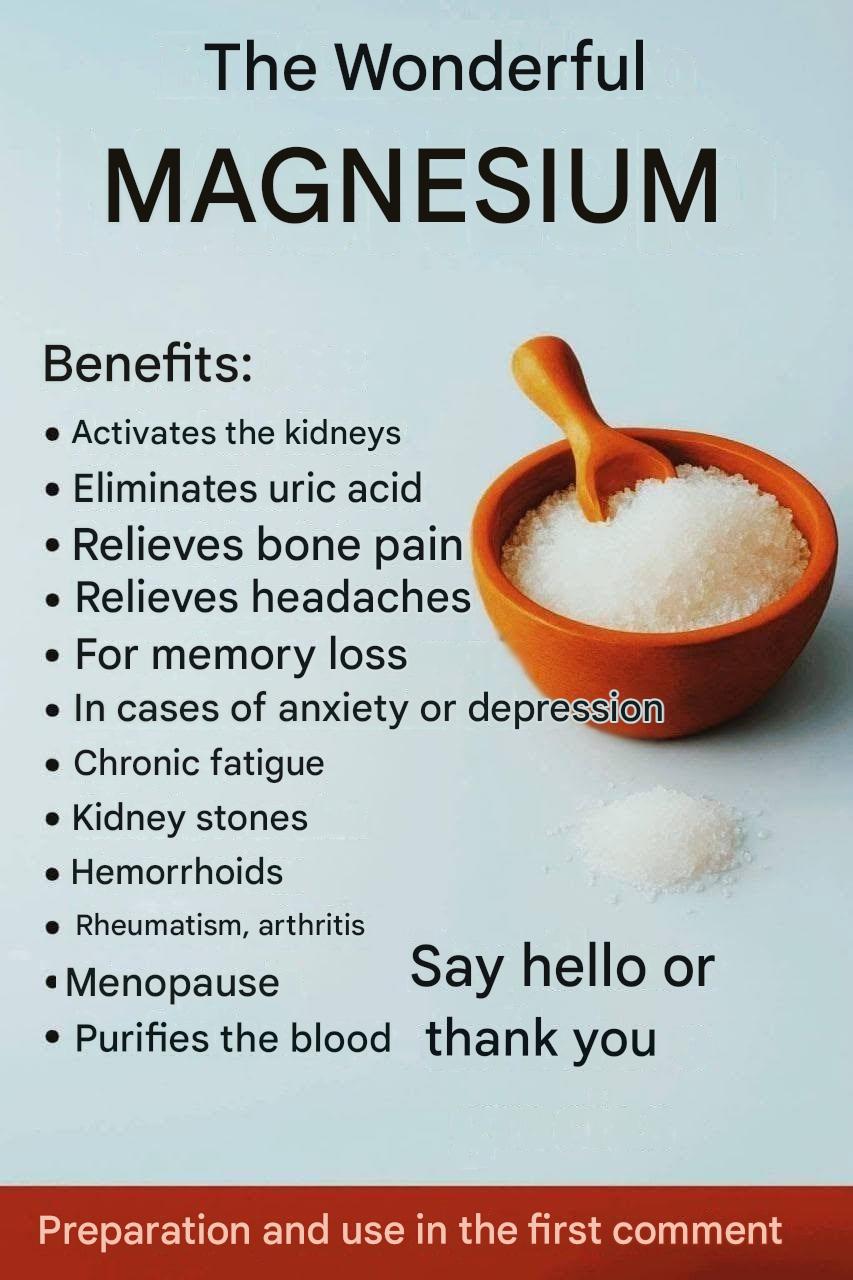
Magnesium: Benefits, Functions, and How to Use It
Magnesium is an essential mineral involved in more than 300 biochemical reactions in the body, playing a crucial role in energy production, muscle health, nervous system balance, and bone strength.
Despite its importance, many people don’t get enough through their daily diet.
What is it and why is it important?
Magnesium is a mineral found in food, water, and our bodies.
60% of the body’s magnesium is in the bones; the rest is in muscles, soft tissues, and body fluids.
Main functions:
Protein synthesis
Blood pressure regulation
Blood sugar stabilization
Support for the nervous and cardiovascular systems
Cellular energy production
Without adequate levels, the body loses its ability to respond to physical and mental stress.
Main benefits:
Muscle function: Prevents cramps and spasms, important for athletes and older adults.
Strong bones: Works with calcium and vitamin D to prevent osteoporosis. Stress and mood: Regulates cortisol and increases serotonin, promoting relaxation and sleep.
Blood pressure: Helps maintain normal levels, especially in people with hypertension.
Migraines: Reduces frequency and intensity thanks to its effect on neurotransmitters and blood vessels.
Digestion: Promotes bowel movements and combats constipation.
Deficiency symptoms:
Fatigue or persistent tiredness
Muscle cramps or spasms
General weakness
Nausea or loss of appetite
Anxiety, irritability, difficulty sleeping
Irregular heartbeat
If several symptoms persist, it is recommended to consult a healthcare professional.
