
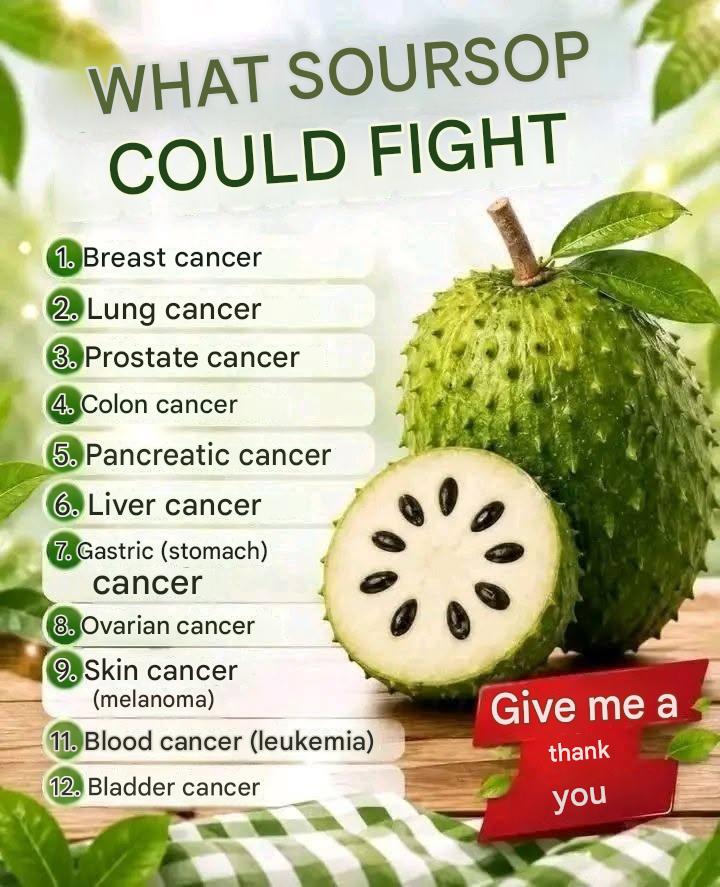
Soursop (Annona muricata), also known as graviola, is a tropical fruit highly prized for its sweet and refreshing flavor. In recent years, it has become popular on social media due to various claims about its supposed health benefits. However, it is important to differentiate between benefits supported by science and claims that do not yet have sufficient evidence.
What is soursop?
Soursop is a fruit native to tropical America. Its white, juicy pulp contains vitamins, minerals, and antioxidants that can be part of a healthy diet.
Nutritional value of soursop
Among its main nutrients are:
Vitamin C.
Potassium.
Magnesium.
Dietary fiber.
Natural antioxidants.
Bioactive plant compounds.
Thanks to these nutrients, soursop can contribute to overall well-being when consumed as part of a balanced diet.
Potential Benefits of Soursop
1. Rich in Antioxidants
Antioxidants help protect cells against oxidative stress caused by free radicals.
2. Supports the Immune System
Its vitamin C content contributes to the normal function of the immune system.
3. Promotes Digestive Health
The fiber present in the fruit can aid intestinal transit and promote healthy digestion.
4. Contributes to Hydration
Due to its high water content, it is a refreshing option for staying hydrated.
5. May Support Cardiovascular Health
As part of a balanced diet, foods rich in potassium can contribute to maintaining healthy blood pressure.
Does Soursop Fight Cancer?
Numerous online publications claim that soursop can fight various types of cancer, such as:
Breast cancer.
Lung cancer.
Prostate cancer.
Colon cancer.
Pancreatic cancer.
