
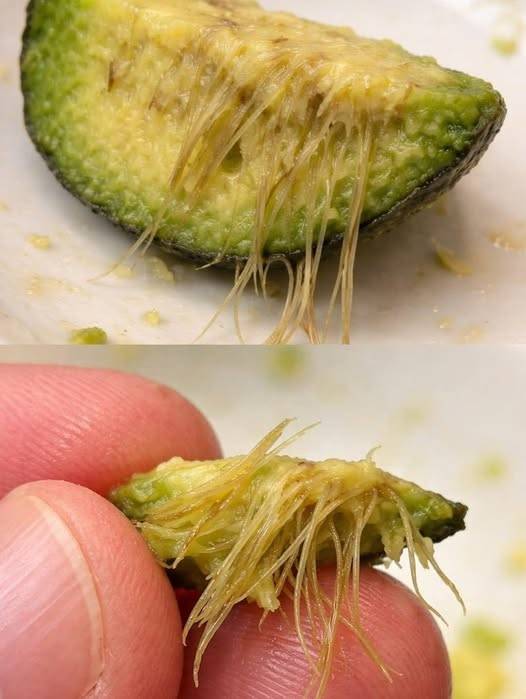
The first time I cut into a stringy avocado, I truly thought something was
wrong with it. The outside looked fine, but as soon as I sliced it open, long
strands ran through the flesh. The avocado didn’t have the smooth, creamy
texture I was expecting; instead, it was somewhat fibrous and harder to
mash.
If you’ve had the same experience as I did, you’re certainly not the only person who has.
Fruits & Vegetables
Since I’d run into this several times, I began researching why it happened. In most cases, those strands are entirely normal. Learning about why avocados become stringy and whether they are safe to consume will help. In addition, knowing ways to avoid having stringy avocados will greatly reduce the frustration involved in purchasing avocados.
Let’s demystify those mysterious strings.
What Are Those Strings?
Those fibrous strands you find in some avocados are actually vascular bundles—the avocado’s version of veins or arteries. They’re the channels that transported water, nutrients, and sugars throughout the fruit as it grew on the tree.
Think of them like the strings in celery, but much finer and less noticeable—until they become prominent
Why Do Some Avocados Become Stringy?
1. The Avocado Was Picked Too Early
