
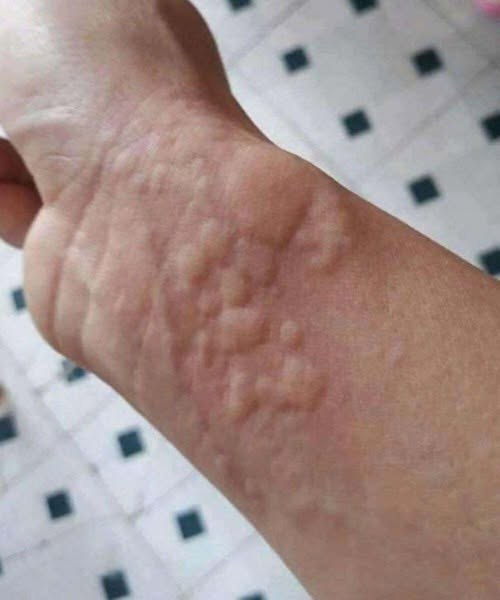
When Hives Signal Something Serious
The body usually operates smoothly and quietly, but there are moments when it sends urgent warnings that shouldn’t be ignored. Hives—those itchy, raised patches on the skin—are often brushed off as harmless reactions to things like detergents or plants. However, when they appear alongside even mild breathing changes, the situation can quickly become critical. In such cases, the skin is signaling something deeper: a possible anaphylactic reaction. Recognizing this connection isn’t overreacting—it can save a life.
Understanding Anaphylaxis
Anaphylaxis is a rapid and severe allergic reaction affecting the entire body. It happens when the immune system overreacts to something typically harmless, treating it as a dangerous threat. What makes it especially alarming is its unpredictability—something you’ve been exposed to for years without issue can suddenly trigger a severe response.
Key Warning Signs
- Hives: Often the first visible symptom, spreading across the body
- Breathing issues: Chest tightness, wheezing, or a feeling of throat constriction signal escalating danger
- Swelling: Particularly in the lips, tongue, or face, which may block the airway
This is more than a surface reaction—it can rapidly become life-threatening.
Why Acting Fast Is Critical
Delaying action can be dangerous, especially for older adults who may try to wait it out. If you have an epinephrine auto-injector, use it immediately at the first sign of breathing trouble. Epinephrine works quickly to reduce swelling and open the airways.
