
- Earlobe Crease (Frank’s Sign) – A diagonal crease on the earlobe has been linked to an increased risk of coronary heart disease. While not definitive, it warrants cardiovascular evaluation.
- Unusual Ear Shapes – Certain congenital anomalies may be associated with kidney issues, since ears and kidneys develop simultaneously during embryogenesis.
Recognizing these signs can prompt timely medical assessments.
Auditory Symptoms to Watch
Changes in hearing or ear sensations may indicate broader health issues:
- Tinnitus (Ringing in the Ears) – Often linked to noise exposure, but can also stem from temporomandibular joint (TMJ) disorders or neurological conditions.
- Itchy Ears – Persistent itching may point to skin conditions like eczema or fungal infections.
- Earache – Pain may arise from infections, dental issues, or TMJ disorders and should be evaluated.
Hearing Loss: Common Causes
Gradual hearing impairment is sometimes overlooked. Contributing factors include:
- Age-Related Hearing Loss (Presbycusis) – A natural decline in auditory function with age.
- Noise-Induced Hearing Loss – Prolonged exposure to loud environments damages inner ear structures.
- Ototoxic Medications – Some drugs can negatively impact hearing.
- Underlying Health Conditions – Diabetes and cardiovascular diseases may affect auditory health.
Regular hearing assessments, especially after age 40 or with risk factors, are essential.
Key Takeaways
Our ears are more than sensory organs—they’re indicators of overall health. By paying attention to changes in:
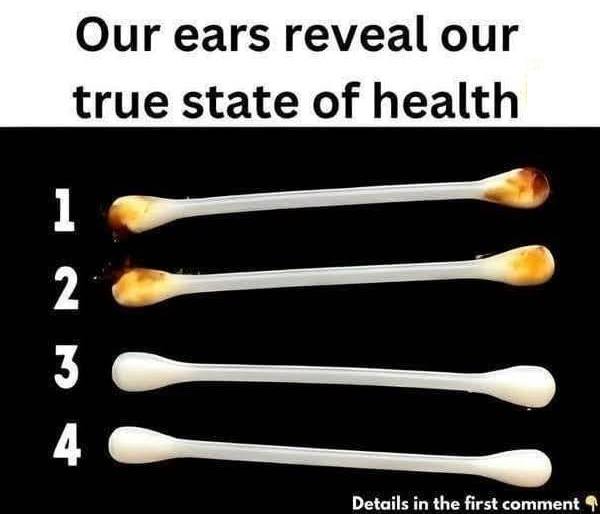
- Earwax
- Ear shape
- Auditory sensations
…you can detect potential health issues early. Regular check-ups and prompt consultations with healthcare professionals help maintain both auditory and overall well-being.
