
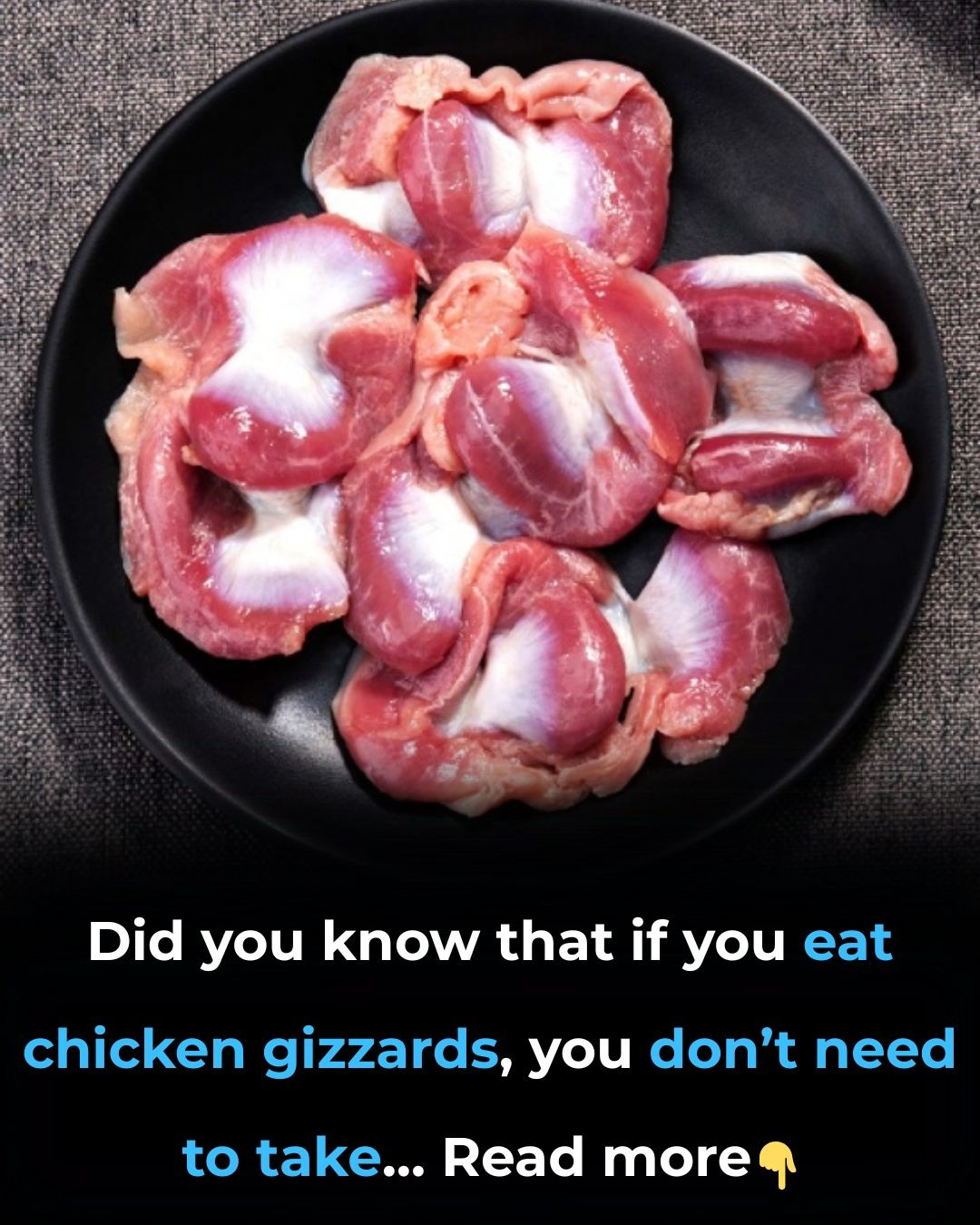
This recipe is for my favorite, foolproof method: Southern-Style Braised & Fried Gizzards. It yields tender bites with a crispy finish.
Main Event:
-
1 pound fresh chicken gizzards
-
1 quart (4 cups) cold water or low-sodium chicken broth
-
1 onion, quartered
-
2 bay leaves
-
1 teaspoon black peppercorns
-
1 teaspoon salt (optional, for the braising liquid)
For the Crispy Coating:
-
1 cup buttermilk or whole milk
-
1 cup all-purpose flour
-
1 teaspoon garlic powder
-
1 teaspoon smoked paprika
-
1/2 teaspoon cayenne pepper (adjust to your heat preference)
-
1 teaspoon coarse black pepper
-
1 teaspoon salt
-
Oil for frying (like peanut, canola, or avocado oil)
Don’t Have It? No Problem!
-
No buttermilk? Use milk with a squeeze of lemon juice or a tablespoon of vinegar stirred in. Let it sit for 5 minutes.
-
Air Fryer Fan? You can skip the deep fry! After boiling, coat them, spritz with oil, and air fry at 400°F for 10-15 minutes, shaking once.
-
Flour Blend: For a gluten-free version, use your favorite 1:1 GF flour mix or fine cornmeal.
Let’s Cook: The Two-Step Secret to Perfect Tenderness
The biggest mistake people make with gizzards is trying to cook them quickly. They’re a hard-working muscle and need low, slow love first. This two-step process is the key.
Step 1: The Essential Braise (This is non-negotiable!).
-
Clean & Prep: Rinse the gizzards under cold water. You can trim any obvious tough membranes or silverskin with kitchen shears, but most pre-packaged gizzards are already cleaned.
-
The Long Simmer: Place them in a medium pot with the quart of cold water or broth. Add the quartered onion, bay leaves, and peppercorns. This aromatics bath is what builds incredible flavor from the inside out.
-
Bring to a boil, then reduce to the gentlest possible simmer. Cover and let them cook for 1.5 to 2 hours. They’re done when you can easily pierce one with a fork and it’s tender all the way through. This step transforms them from tough to succulent.
-
Drain & Cool: Drain the gizzards and discard the aromatics. Let them cool enough to handle. You can do this step a day ahead and store them in the fridge!
Step 2: The Flavorful Crisp.
-
Soak: Place the tender, boiled gizzards in a bowl and cover with the buttermilk. Let them soak for at least 15 minutes (or up to an hour). This adds tang and helps the flour stick.
-
Mix Your Coating: In a separate bowl or shallow dish, whisk together the flour and all your spices.
-
Dredge: Working in batches, take a few gizzards from the buttermilk, let the excess drip off, and toss them in the flour mixture until thoroughly coated. Shake off the extra and place them on a wire rack. Let them sit for 5 minutes—this helps the coating set.
-
Fry to Golden Glory: In a heavy skillet (I love cast iron), heat about 1 inch of oil to 350°F-375°F. Carefully add the gizzards in a single layer, not crowding the pan. Fry for 3-5 minutes, turning once, until deeply golden brown and crispy.
-
Drain: Transfer to a paper towel-lined plate or a clean wire rack. Sprinkle with a little extra salt while hot.
Beyond the Fry: Tips & Transformations
-
The Tenderness Test: If they aren’t fork-tender after boiling, keep simmering. They will get there! Patience is your secret ingredient.
-
Flavor Boost: Add a splash of apple cider vinegar, a few cloves of garlic, or a teaspoon of soy sauce to your boiling pot for extra depth.
-
Global Twists:
-
Asian Stir-Fry: After boiling, slice them. Stir-fry with ginger, garlic, scallions, and a sauce of soy, oyster sauce, and a touch of honey.
-
Italian Stew: Add your boiled gizzards to a rich tomato sauce during the last 30 minutes of simmering. Serve over polenta.
-
Southern Gravy: Make a creamy pepper gravy with the pan drippings after frying some chicken. Add chopped boiled gizzards and serve over biscuits.
-
-
Serving Ideas: They are incredible as a protein-packed salad topper, the star of a po’boy sandwich with rémoulade, or simply with hot sauce and a side of collard greens and cornbread.
Gizzard FAQs: All Your Questions, Answered
Q: I’ve heard they’re tough. How do I guarantee they’re tender?
A: The long, gentle simmer is your absolute key. Rushing this step is the only way to get tough results. Think of it like braising a pot roast—low and slow breaks down all the connective tissue into gelatin, making them wonderfully tender.
Q: What do they actually taste like?
A: The best description is a rich, deeply “chicken-y” flavor with a pleasant, mineral note (similar to dark meat or liver, but milder). When cooked properly, the texture is firm but tender, not chewy.
Q: Where do I find them?
A: Look in the poultry section of your grocery store, often near the chicken livers and other parts. They’re usually sold in one-pound tubs. Your local butcher will definitely have them, and they’re a staple at many international markets.
Q: Can I cook them from frozen?
A: It’s best to thaw them first for even cooking. Thaw in the fridge overnight, or submerge the sealed package in cold water for quicker thawing.
