
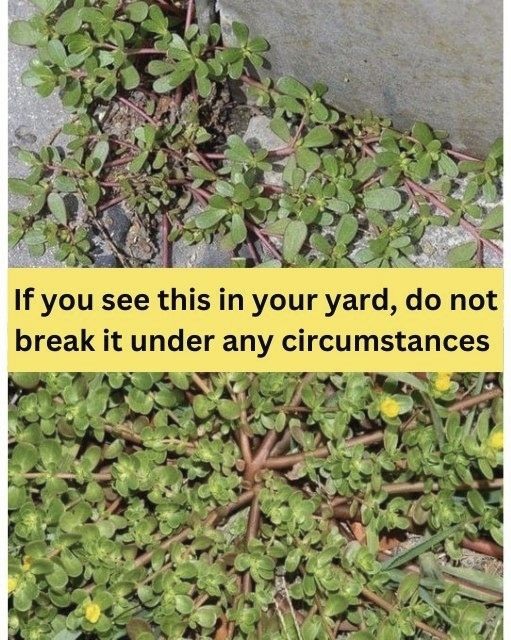
5. Living Mulch
Forms dense, low-growing mats → suppresses weeds naturally
Retains soil moisture → reduces watering needs
Prevents erosion on slopes or bare patches
6. Traditional Medicine, Modern Science
Traditional Use
Research Support
Anti-inflammatory
 Contains betalains + flavonoids with proven anti-inflammatory effects
Wound healing
Mucilage soothes skin; studies show accelerated healing in animal models
Blood sugar support
Early research suggests compounds may improve insulin sensitivity
 Note: Not a substitute for medical treatment—but a valuable dietary addition.
7. Effortless to Grow (and Share)
Self-seeds readily → one plant becomes many
Propagates from stem cuttings → root in water in days
Gardener tip: Let a few plants flower → collect seeds for next season
8. Free, Sustainable Nutrition
Zero cost, zero packaging, zero food miles
Reduces reliance on store-bought greens
Avoids herbicides → healthier soil + waterways
 How to Identify Purslane (Avoid Look-Alikes)
Feature
Purslane
Spurge (toxic look-alike)
Stems
Reddish, smooth, fleshy
Green/red, hairy, milky sap when broken
Leaves
Teardrop-shaped, opposite pairs, fleshy
Oval, alternate, thin
Growth
Forms flat mats
Grows upright or sprawling
Scent
Mild, lemony when crushed
Odorless or unpleasant
Flowers
Small, yellow, 5 petals
Tiny, greenish, inconspicuous
 Critical: If stems exude milky sap when broken, it’s spurge—do not eat.
 How to Harvest & Use Purslane Safely
For Complete Cooking STEPS Please Head On Over To Next Page Or Open button (>) and don’t forget to SHARE with your Facebook friends
