
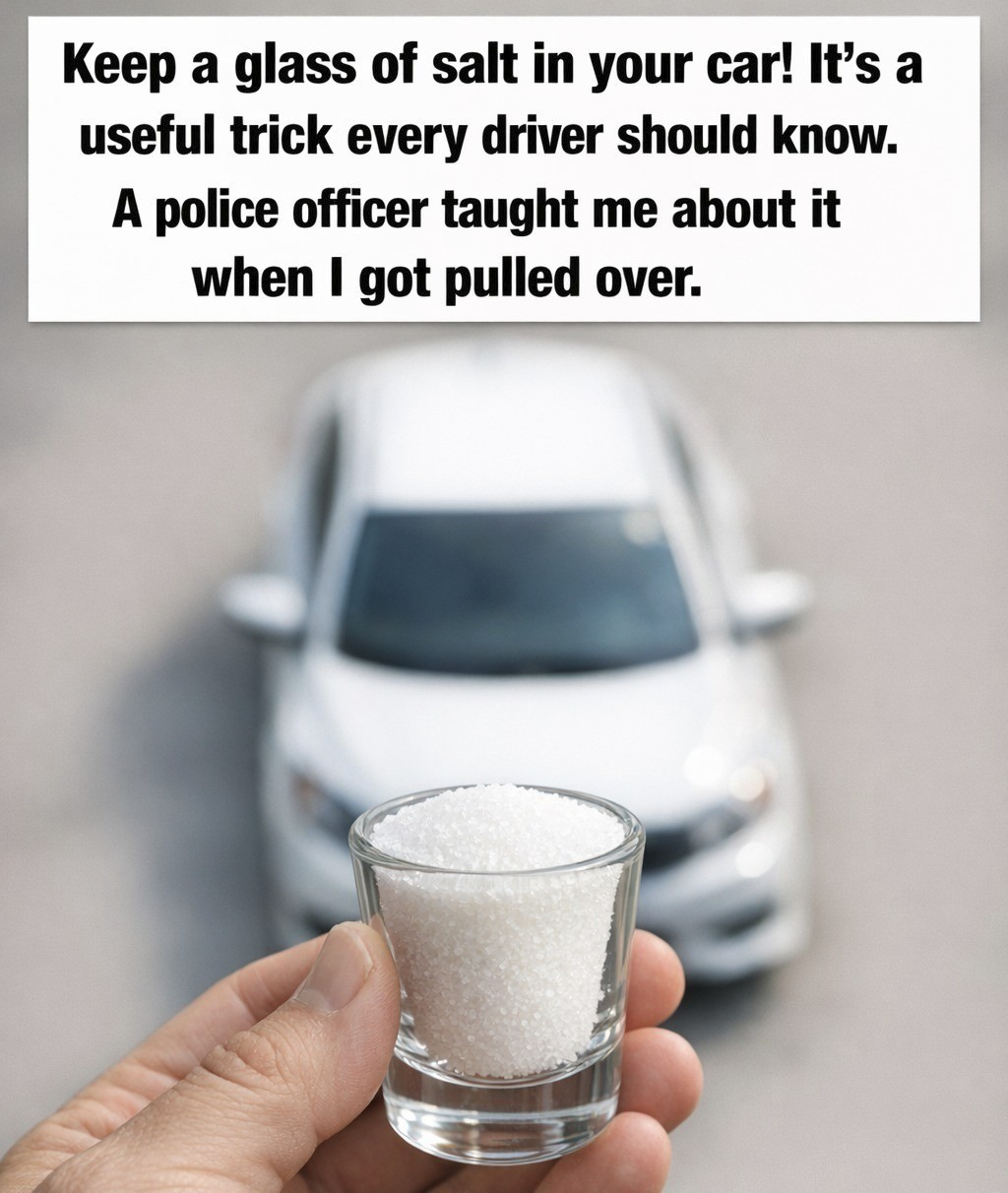
**3. Provides Emergency Traction **(When Used Correctly)
How It Works
Why It Helps
How to Use Safely
Salt crystals create texture on icy surfaces
Improves tire grip temporarily in stuck situations
Sprinkle salt in front of drive wheels—not under the car—to avoid trapping it
Melts surface ice to expose pavement
Creates a thin layer of brine that improves traction
Combine with sand or kitty litter for longer-lasting grip (salt melts; sand provides texture)
Lightweight and easy to carry
Practical addition to a winter emergency kit
Use only as a last resort; call for professional help if truly stuck
🚨 Safety note: Salt alone is not a reliable traction aid. Sand, kitty litter, or traction mats are more effective and less corrosive.
✨ In Practice: Pack a small bag of salt plus sand in your winter emergency kit. Use salt to melt thin ice; use sand for lasting traction.
❌ What Salt CANNOT Do: Common Myths Debunked
Viral Claim
Reality
Why It Matters
“Salt prevents your car from freezing overnight”
❌ Salt won’t prevent engine freeze; use proper antifreeze instead
Engine damage from freezing coolant is serious and costly
“Salt in the gas tank improves performance”
❌ Dangerous myth—salt in fuel system causes severe engine damage
Never put salt in your gas tank, radiator, or any fluid reservoir
“Salt repels animals or insects from your car”
❌ No scientific evidence; may attract moisture-loving pests
Use proven deterrents like peppermint oil or ultrasonic devices instead
“Salt cleans your car’s interior”
❌ Salt is abrasive and corrosive; can damage upholstery and electronics
Use automotive-grade cleaners for interior surfaces
“Salt de-ices locks instantly”
❌ Salt can corrode lock mechanisms; use lock de-icer or rubbing alcohol instead
Corroded locks are expensive to repair; prevention is better than cure
💡 Critical reminder: If a “hack” sounds too good to be true, it probably is. When in doubt, consult your vehicle manual or a trusted mechanic.
⚠️ Important Safety Considerations: Using Salt Without Damaging Your Car
Salt is useful—but it’s also corrosive. Here’s how to use it safely.
Corrosion Risks: What Salt Can Damage
Car Part
Risk Level
How to Protect
Paint and clear coat
High
Never pour salt directly on body; rinse immediately if contact occurs
Undercarriage and frame
High
Wash undercarriage regularly in winter; apply rust inhibitor annually
Brake lines and rotors
Moderate-High
Avoid salt contact; rinse brakes after winter driving
Electrical connections
Moderate
Keep salt containers sealed; avoid spills near wiring
Rubber seals and hoses
Moderate
Rinse salt residue promptly; inspect seals seasonally
Interior fabrics and electronics
High
Store salt in sealed containers away from upholstery and dash
Safe Storage Guidelines
Do
Don’t
✅ Store salt in a sealed, labeled plastic container
❌ Leave salt loose in glove box or trunk
✅ Use a breathable fabric pouch for moisture absorption
❌ Place salt directly on metal surfaces
✅ Keep salt away from electronics, airbags, and upholstery
❌ Mix salt with water inside the vehicle (creates corrosive brine)
✅ Label your emergency kit clearly
❌ Assume “a little salt won’t hurt”—corrosion is cumulative
✅ Rinse your car regularly during winter months
❌ Ignore salt residue on windows or trim
💡 Pro tip: Add a small silica gel packet to your salt container to keep it dry and free-flowing.
🧰 **How to Build a Practical Winter Emergency Kit **(With Salt)
Salt is just one piece of winter preparedness. Here’s what else to include.
Essential Winter Car Kit Items
Item
Purpose
Why It’s Better Than Salt Alone
Rock salt or calcium chloride
Melts thin ice on windows/walkways
More effective and less corrosive than table salt
Sand or kitty litter
Provides traction on ice/snow
Non-corrosive; longer-lasting grip than salt
Ice scraper + snow brush
Clears windows safely
Physical removal is faster and safer than chemical melting alone
Blanket or sleeping bag
Retains body heat if stranded
Critical for survival; salt won’t keep you warm
Flashlight + extra batteries
Visibility in darkness or storms
Essential for signaling and safety
Jumper cables or portable jump starter
Restarts dead battery
Cold weather drains batteries; salt won’t fix this
Non-perishable snacks + water
Energy and hydration if stranded
Survival basics; salt is not food
First-aid kit
Treats minor injuries
Critical for emergencies; salt has no medical use here
**Phone charger **(portable)
Communication in emergencies
Critical for calling help; salt can’t call AAA
🎒 Kit tip: Store items in a durable, waterproof bin. Check and refresh supplies every fall.
🌡️ **When Salt Works Best **(And When to Use Alternatives)
Situation
Salt Helpful?
Better Alternative
Light frost on windshield
✅ Yes—sprinkle sparingly, then wipe
Commercial de-icer spray (less corrosive)
Thick ice on driveway
⚠️ Limited—use rock salt + sand
Shovel first; use calcium chloride for faster melt
Car stuck in snow/ice
⚠️ Minimal—salt melts surface only
Sand, kitty litter, or traction mats for grip
Foggy interior windows
✅ Yes—salt pouch on dash
Proper defroster use + cracked window + moisture absorber
Frozen door locks
❌ No—salt corrodes mechanisms
Lock de-icer, rubbing alcohol, or hand warmth
Preventing engine freeze
❌ No—use proper antifreeze
Check coolant mixture; use winter-grade antifreeze
Cleaning car interior
❌ No—salt damages surfaces
Automotive interior cleaner + microfiber cloth
💡 Key insight: Salt is a tool—not a solution. Use it for what it does well; rely on proven methods for everything else.
For Complete Cooking STEPS Please Head On Over To Next Page Or Open button (>) and don’t forget to SHARE with your Facebook friends
