
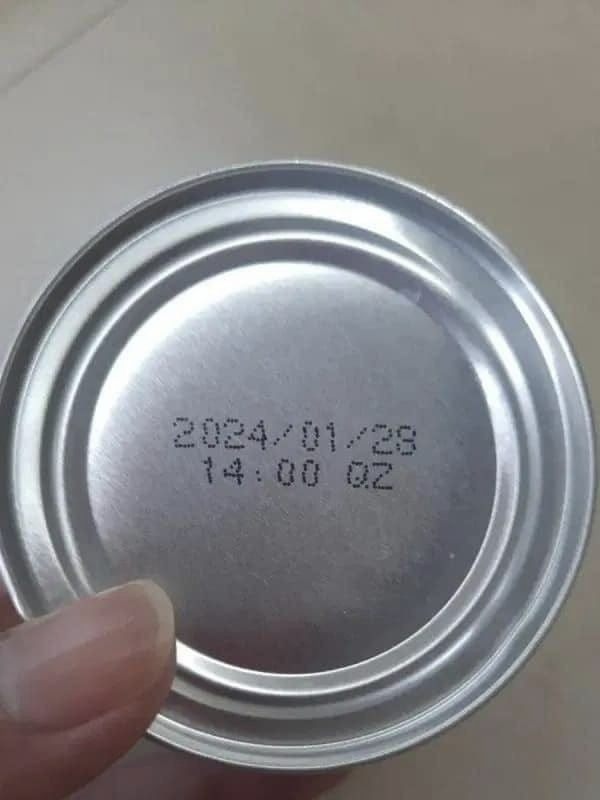
Decoding the Dates: What They Really Mean
1. “Best Before” or “Best By”
What it means: Peak quality/flavor (not safety)
Example: Crackers might lose crispness but are still edible
Rule of thumb: Safe to eat weeks-months later if stored properly
2. “Sell By”
For stores: When to remove from shelves
Consumer tip: You have 5-7 days after this date (for perishables like milk)
3. “Use By”
Manufacturer’s estimate of peak freshness
Most important for: Infant formula, baby food
4. “Expires On”
Only label legally required for: Infant formula (FDA) and some medicines
Food Safety vs. Quality: The Real Rules
 Generally Safe After Date (If Stored Properly):
Canned goods (2-5 years past date)
Dry pasta/rice (indefinitely in airtight containers)
Hard cheese (cut off mold, rest is fine)
Eggs (do the float test: bad eggs float in water)
 Toss If Expired + These Signs:
Dairy: Sour smell, curdling
Meat: Slimy texture, foul odor
Bread: Mold (even just one spot)
Oils: Rancid smell
Pro Tips to Reduce Waste 
 Trust your senses (smell, sight, texture) over dates
 Freeze milk/meat/bread near its date to extend life
 Canned food dents? Only toss if swollen/leaking
 Use overripe fruit in smoothies or baking
Why This Matters
 40% of U.S. food gets wasted due to date confusion (USDA)
 The average family loses $1,500/year tossing good food
