
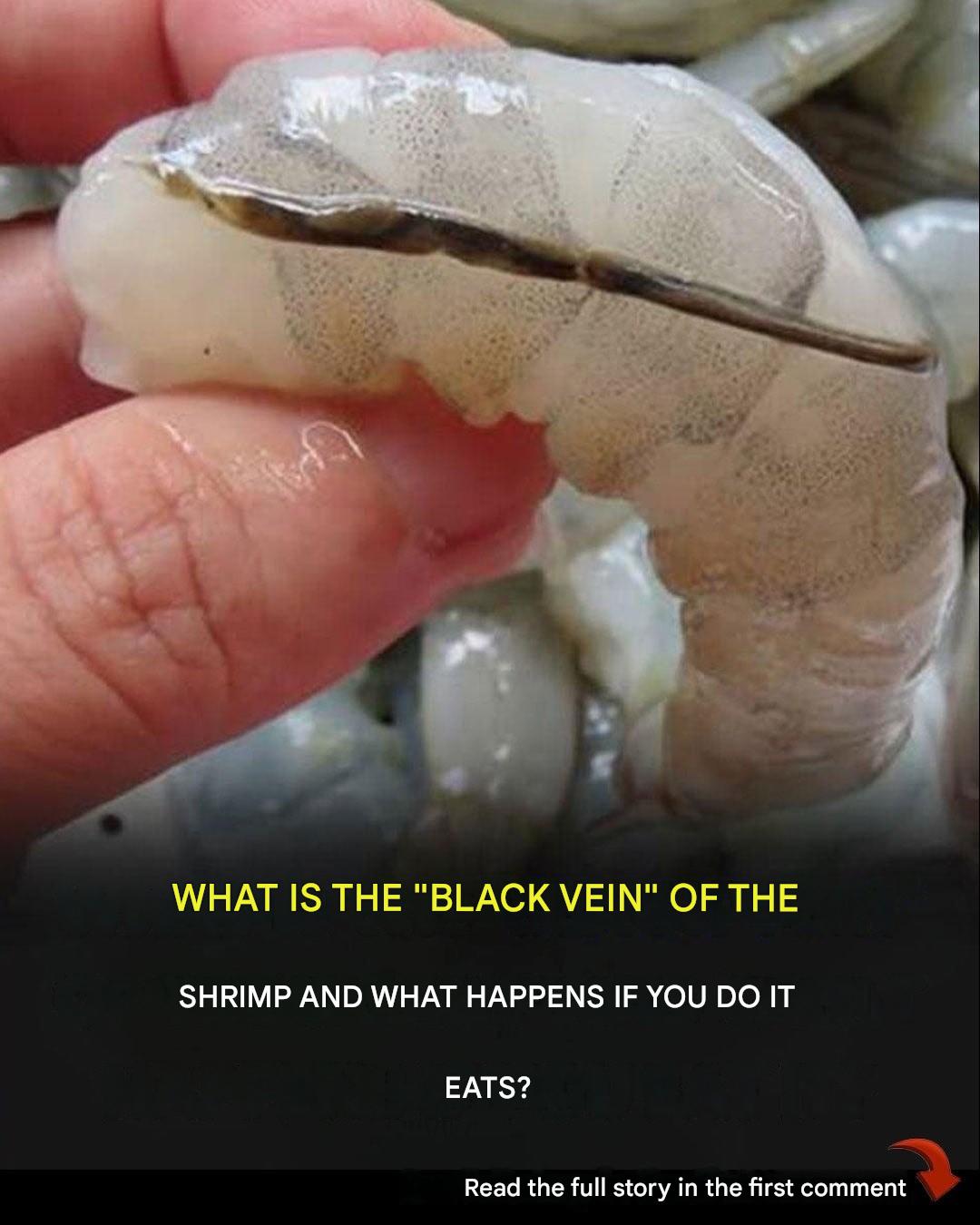
If you’ve ever cooked shrimp, you may have noticed a black vein running along the back. This so-called “black vein” often creates confusion and even disgust for many home cooks. Some wonder if it’s harmful or if it should simply be removed to improve the flavor. In reality, the black vein is just the shrimp’s digestive system, but it may contain sand or a bitter taste that’s best avoided. In this article, I’ll walk you through how to properly prepare shrimp, including how to remove the black vein. I’ll also explain why you shouldn’t eat the black vein and conclude with some surprising health benefits of shrimp that might make them your new favorite seafood.
What is black vein in shrimp?
By using a knife to make an incision on the back of the shrimp and remove the small black vein or line before cooking, shrimp can be used in a variety of dishes such as salads, scampi, and kebabs.
Source: Shutterstock
The black vein in shrimp is not a blood vessel, as many believe. Instead, it’s the shrimp’s digestive tract, often called the crayfish vein. This dark line contains the shrimp’s waste materials. It runs along the back and is sometimes visible through the translucent shell. While it’s not very appealing to the eye, it’s not toxic or harmful if accidentally ingested. However, most people prefer to remove it because it can have a bitter or grainy taste. Understanding this can help you feel more comfortable when cooking and eating shrimp.
Why You Should Clean Shrimp
Person holding a shrimp
Source: Pexels
Cleaning shrimp means removing the black, or sometimes white, line that runs along the back. While the vein isn’t dangerous, many chefs recommend removing it to improve the shrimp’s flavor and texture. The digestive tract can retain sand or debris, which can give a grainy texture to the dish. Cleaning also makes shrimp cleaner and more inviting. In recipes where shrimp are served whole or in simple preparations, removing the vein is particularly important for presentation. It’s mostly a matter of personal taste, but many agree that this extra step is worth it.
How to Clean Shrimp Properly
A woman cleans shrimp and removes the veins during cooking.
Source: Shutterstock
Removing the veins from shrimp is easier than it seems. First, rinse the shrimp under cold water to clean the surface. Then, using a small knife or a special shrimp cleaning tool, make a small cut along the back. You’ll easily see the veins. Gently lift them with the tip of the knife or your fingers. Some veins come off in one piece, while others may break. Rinse the shrimp again to remove any remaining sand. With a little practice, cleaning shrimp will take less than a minute. This simple step will make your shrimp fresher and tastier.
Should you always remove the vein from a shrimp?
Close-up of a bowl of raw shrimp
Source: Pexels
Not everyone removes the intestinal tract from their shrimp. Some smaller shrimp have such a thin intestinal tract that they don’t bother. Furthermore, farmed shrimp are often cleaner because their diet and environment are controlled. Wild-caught shrimp, on the other hand, may have more residue in the intestinal tract. If you cook shrimp in a very spicy dish, the flavor of the intestinal tract may still be masked. So, it really depends on your taste. If you’re cooking for guests or want a more elegant presentation, removing the intestinal tract is a good idea. Otherwise, it’s safe to eat, but many find it less palatable.
