
How to Buy Fresh Shrimp
Frozen Shrimp on Ice
Source: Pexels
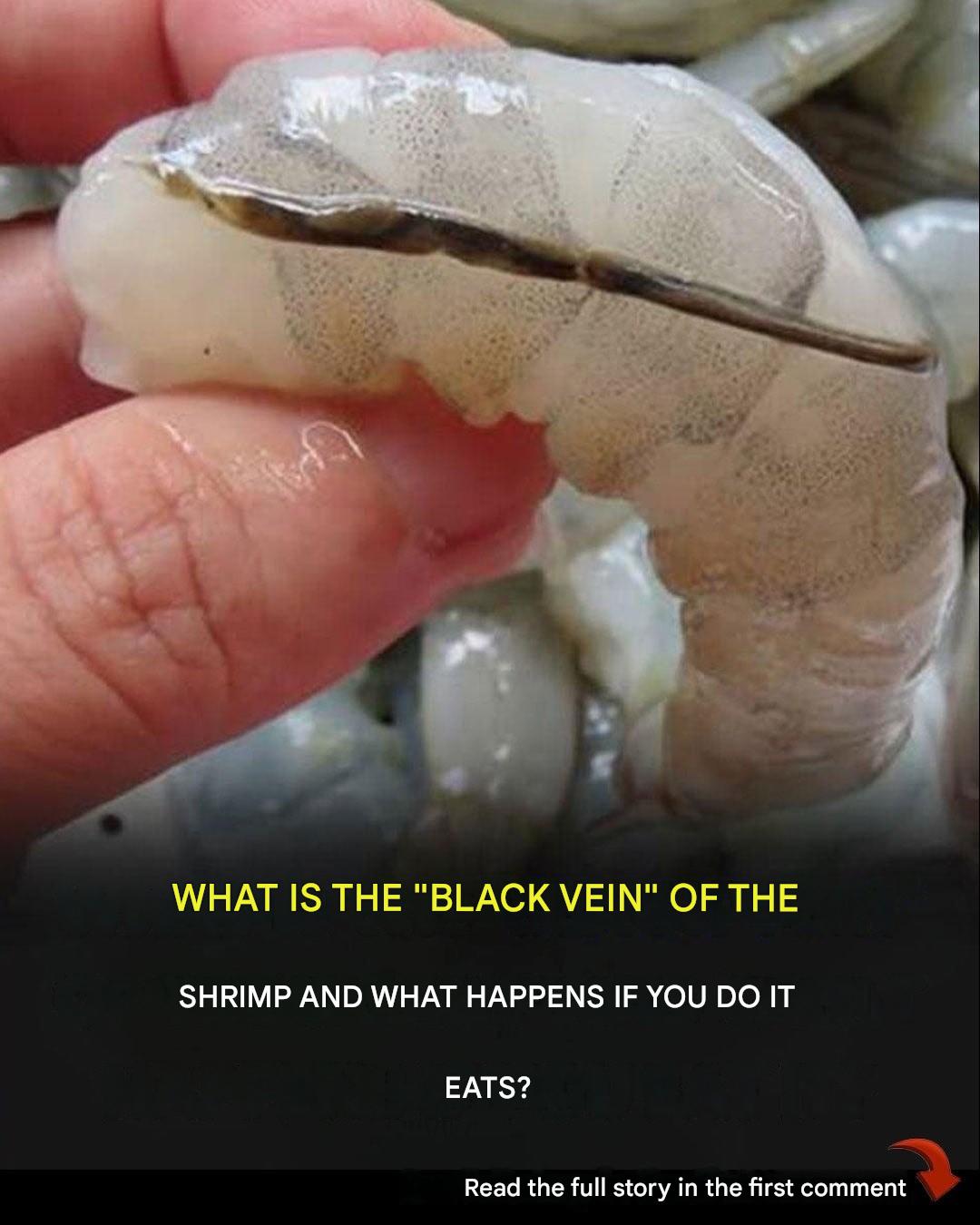
The freshness of shrimp can make a big difference in flavor and texture. When purchasing, look for shrimp with firm flesh and a delicate seafood aroma. Avoid those with a fishy or ammonia-like odor. If the shrimp still have their shells on, check that they are shiny and moist. If they are already shelled, the flesh should be translucent and elastic. Also consider whether you prefer wild-caught or farmed shrimp. Both have advantages and disadvantages in terms of flavor and sustainability. Fresh shrimp often still have their intestinal tract intact, so be prepared to clean them if you wish to remove it. Buying from a reputable fishmonger will save you time and ensure quality.
Frozen Shrimp: What to Know
Shrimp on a Plate with Ice
Source: Pexels
Frozen shrimp are convenient and readily available. Most frozen shrimp are pre-cooked or frozen raw with the gut string still inside. Look for shrimp labeled “previously frozen” or “raw” to know what you’re buying. When thawing shrimp, do so slowly in the refrigerator or under cold running water. Avoid thawing at room temperature to preserve freshness. Some brands sell frozen shrimp with the gut string removed, which is a real time saver. However, you may pay a little more for this convenience. Frozen shrimp can be just as good as fresh if handled and cooked properly.
Simple ways to cook shrimp
Shrimp on a black pan
Source: Pexels
Shrimp cooks very quickly, usually in just a few minutes. Depending on the recipe, you can boil, grill, sauté, or bake them. Boiling is excellent for shrimp cocktails or salads. Simply immerse them in boiling water for two or three minutes, until they turn pink and curl up. Grilling them adds a smoky flavor, but be careful not to overcook them. Sautéing shrimp in garlic and butter is a great idea for a quick and tasty dish. Baking is also easy, especially for larger shrimp, with aromatic herbs and lemon. Regardless of the cooking method, for optimal flavor and texture, it’s always a good idea to remove the gut string before starting.
Common Mistakes When Preparing Shrimp
Close-up photo of shrimp on a white plate
Source: Pexels
A common mistake is overcooking shrimp, making them rubbery and tough. A few minutes of cooking are enough to cook them to perfection. Another mistake is not cleaning them properly. Leaving the gut string intact can compromise the flavor and presentation. Using too much salt or spices can overwhelm the delicate flavor of shrimp. Furthermore, thawing frozen shrimp incorrectly, using hot water or leaving them out too long, is another mistake to avoid. Finally, don’t forget to dry the shrimp thoroughly before cooking: wet shrimp won’t brown well. Avoid these mistakes to enjoy your shrimp at their best.
