
Alkaloids are chemicals that are mainly found in plants. For something to be considered an alkaloid, it must contain nitrogen and affect the human body, usually from a medicinal perspective. Morphine and quinine are two examples of plant-based medicines that contain alkaloids.
The Difference Between Nightshade Fruits and Vegetables
Tomatoes are often thought of as being in the vegetable family due to their savory flavor, but they are actually a fruit. Fruit is an edible part of a plant that develops from a flower and contains seeds. Peppers and eggplant are also technically nightshade fruits.
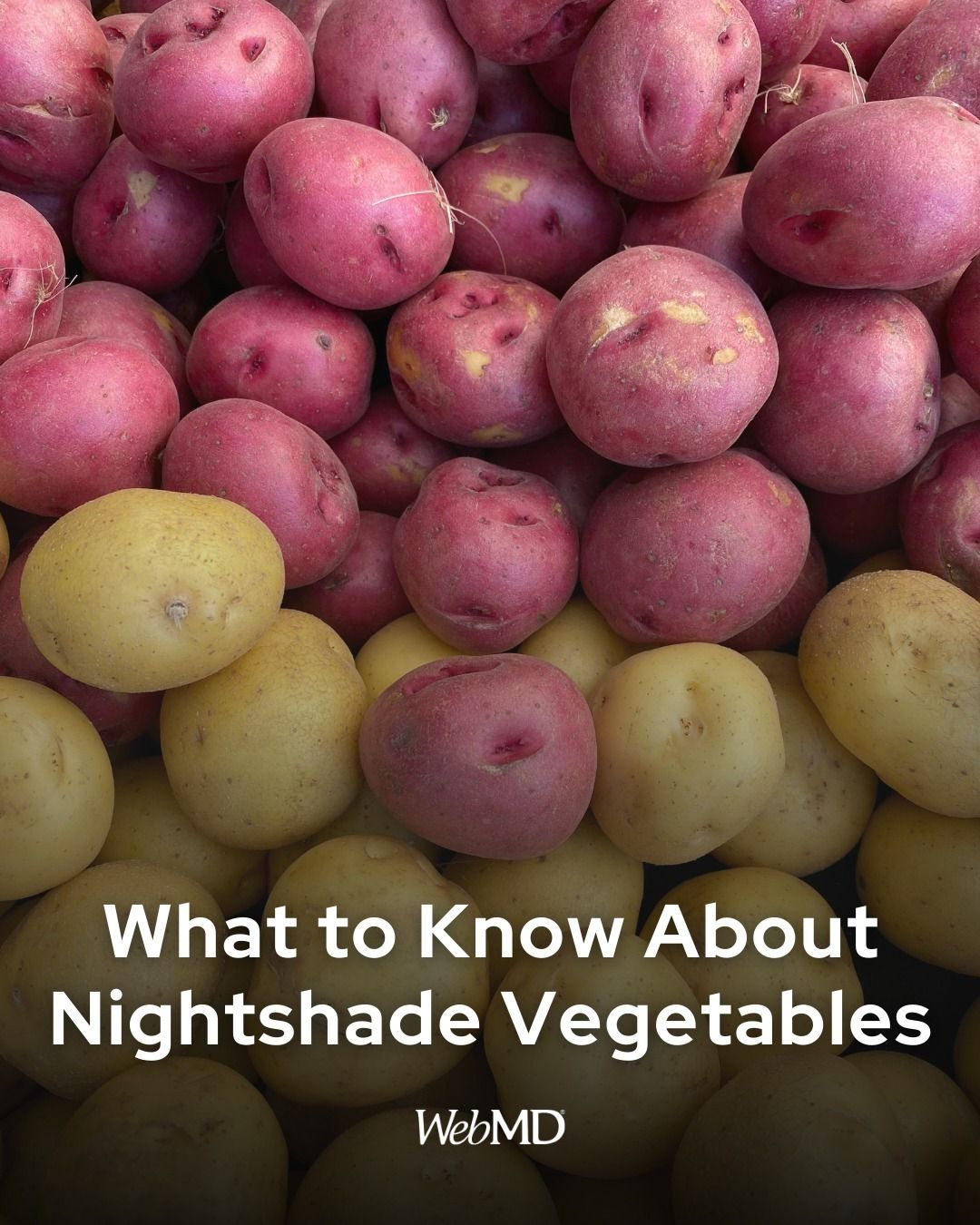
Vegetables are any other edible part of a plant, like the roots, stems, or leaves. Potatoes are a nightshade vegetable, not a fruit.
Are Nightshades Bad For Your Health?
While some alkaloids have positive effects on human health, others can affect them negatively. For example, the chemicals found in tobacco, a nightshade plant, can cause cancer.
The alkaloid found in nightshades is solanine. It functions as an insecticide while the plant is growing.
Eating too much solanine can make you feel bad. When potatoes turn green, they have more alkaloids in them, and they taste more bitter. That is why people usually recommend throwing out green and/or sprouting potatoes. If you eat green potatoes, you may get sick to your stomach with nausea or diarrhea. You can also get a fever or headache.
Normally, potatoes and other nightshade vegetables have an acceptable amount of alkaloids in them. You may feel some effects if you eat between two to five milligrams of solanine per kilogram of body weight. If you weigh around 150 pounds (68 kilograms) you would need to consume a minimum of 136 milligrams of solanine to feel ill.
For context, one eggplant has about 11 milligrams of solanine.
Studies show that potatoes can contain anywhere from 25-275 micrograms of alkaloids. The amount depends on the type of potato and where it was grown.
Related:
