
1. Cut Out the Affected Area
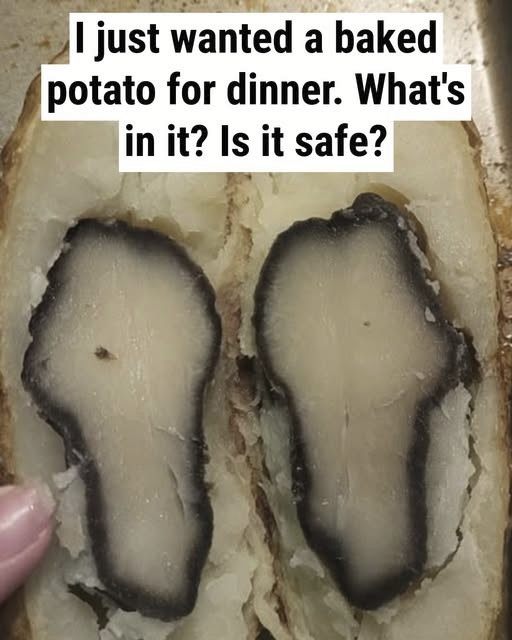
As mentioned, the dark spots are generally safe to eat but may have a slightly bitter taste or dry texture. If you come across a potato with black spots, the best practice is to cut away the affected area. You can use a paring knife to remove the black ring or dark spots and still enjoy the rest of the potato without any issues. Once you’ve cut out the bruised areas, you can cook the potato as you normally would.
2. Use for Mashed Potatoes or Soups
Even if a potato has a few small black spots, it can still be perfect for making mashed potatoes, soup, or casseroles. These dishes often require mashing or blending, which means you can simply remove the affected areas and blend the rest. If you’re using the potato for mashed potatoes, for example, you can mask any slight dryness or bitterness by adding butter, cream, and seasoning.
3. Bake or Roast for a Crispy Outside
If you’re planning to bake or roast the potatoes, you can often just cut off the black spots and prepare them as you would any other potato. Roasting or baking brings out the natural sweetness and earthiness of potatoes, which might even help mask any slight bitterness left after removing the spots. Simply wash, peel (if desired), and toss them in oil or butter with your favorite seasoning for a delicious crispy side dish.
4. Check for Texture After Cooking
After cooking the potato, especially if you’ve removed the affected area, check the texture. Potatoes that have suffered internal bruising may cook differently — they might be a bit drier than usual. This is why it’s important to taste the final product. If the potato seems dry, you can always add more cream, butter, or broth to make it more enjoyable. A dash of seasoning, like garlic powder or fresh herbs, can also help enhance the flavor.
